#cve-analysis
8 posts

Citrix NetScaler Zero-Days Exploited: A Triage Guide for Analysts (2026)
Citrix NetScaler zero-days CVE-2026-88771/72 hit CISA KEV in weeks. Triage guide: forensic capture before patching, fixed builds, the 13.1 show ns variable upgrade trap.
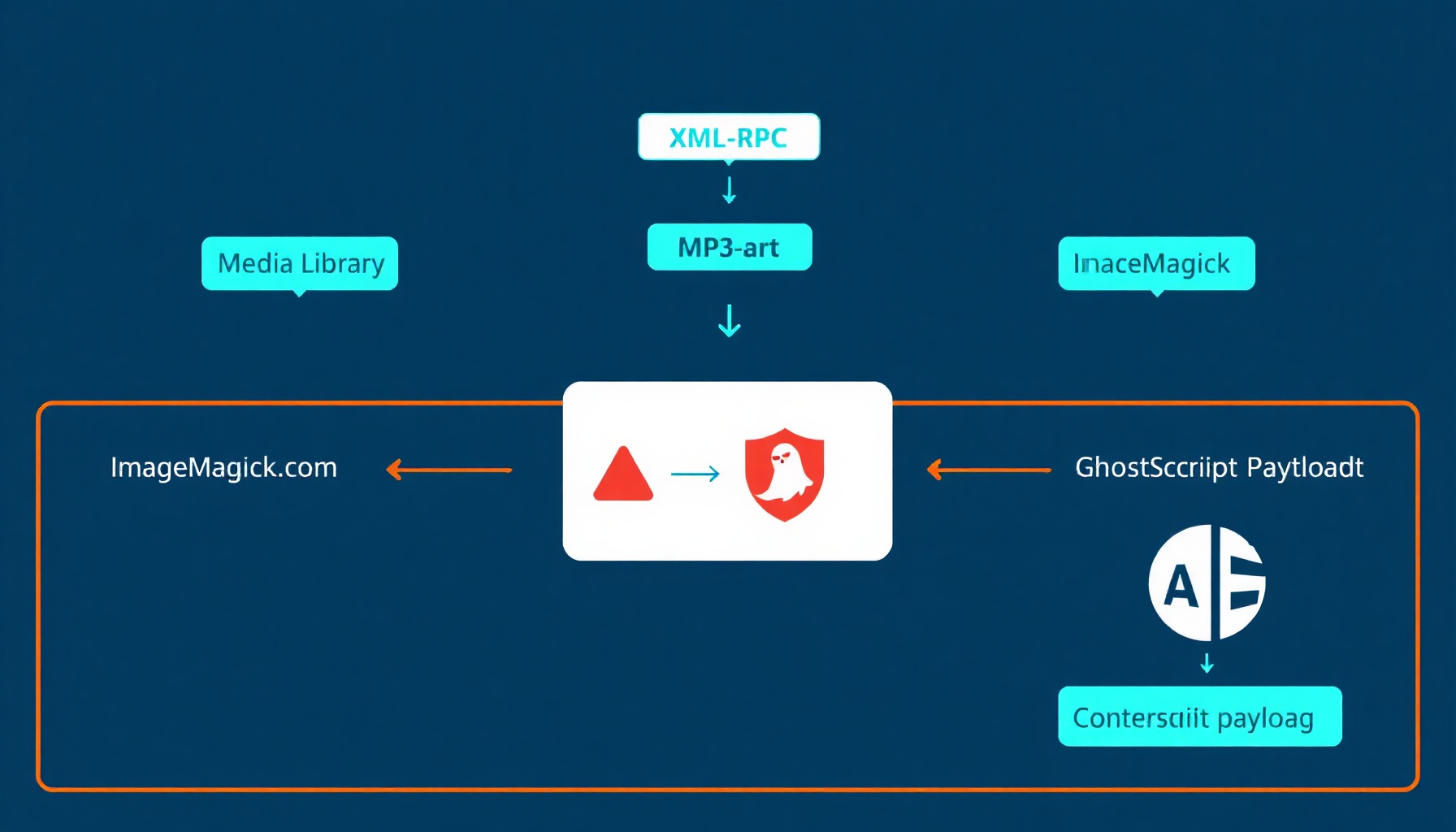
WordPress Imagick RCE Analysis: ImageTragick's Return
The WordPress Imagick RCE, CVE-2026-65640 (CVSS 8.8, AV:N/AC:L/PR:L/UI:N/S:U/C:H/I:H/A:H, CWE-434), lets Author-level accounts execute code on sites using…
CVE-2026-18577 Analysis: N-central Auth Bypass Risk
Actively exploited CVE-2026-18577 is a CWE-288 authentication bypass in N-able N-central (CVSS 8.8) caused by an incomplete fix for CVE-2026-18556. Added…
pgAdmin 4 CVE-2026-17566: Command Injection Flaw
pgAdmin 4 CVE-2026-17566 command injection vulnerability explained — learn how the Import/Export tool flaw works and patch your PostgreSQL management server so you can close the gap before attackers do.
CVE-2026-39808 — FortiSandbox Unauthenticated RCE: How a Pipe Symbol Brought Down Enterprise Sandboxing
CVE-2026-39808 is a critical OS command injection vulnerability in Fortinet FortiSandbox that allows unauthenticated remote code execution as root via a single crafted HTTP request. Now listed on CISA's Known Exploited Vulnerabilities catalog, this flaw threatens enterprise security operations centers worldwide.
CVE-2026-29000: The CVSS 10.0 pac4j-jwt Authentication Bypass That Lets Anyone Become Admin
A critical authentication bypass in pac4j-jwt allows remote attackers to forge admin tokens using only the server's RSA public key. With a CVSS score of 10.0, this vulnerability affects Java applications using pac4j for JWT-based authentication. We examine the root cause, exploitation mechanics, detection strategy, and patch guidance.

CVE-2026-48558: Critical SimpleHelp RMM Authentication Bypass — Unsigned OIDC Tokens Enable Full MSP Takeover
An in-depth technical analysis of CVE-2026-48558, a CVSS 10.0 authentication bypass in SimpleHelp RMM that lets unauthenticated attackers forge OIDC tokens, create Technician accounts, and gain administrative control over every managed endpoint. Actively exploited with TaskWeaver and Djinn Stealer payloads.

CVE-2026-48710 — BadHost: How a Single Starlette Flaw Put Millions of AI Agents at Risk
CVE-2026-48710 (BadHost) is a critical Host header validation flaw in Starlette that lets attackers bypass path-based authentication by injecting delimiter characters into the Host header. Discovered in vLLM during an OSTIF audit, this bug affects millions of AI agent deployments worldwide including FastAPI, LiteLLM, MCP servers, and major agent frameworks. We break down the root cause, exploit mechanics, affected systems, detection, and mitigation.